
Along Kenya’s coastline, there’s a quiet but powerful ecosystem working behind the scenes — one that protects communities, supports marine life, and plays a crucial role in the fight against climate change.
These are mangroves.
Often overlooked, mangrove forests are among the most valuable ecosystems on earth. And along Kenya’s coast, they are essential to both environmental health and local livelihoods.
What Are Mangroves?
Mangroves are salt-tolerant trees that grow in coastal areas where land meets the sea. Their complex root systems anchor them in muddy, tidal environments, creating a unique habitat that supports a wide range of life.
But mangroves do much more than just grow along the shoreline.
They protect, support, and sustain entire ecosystems.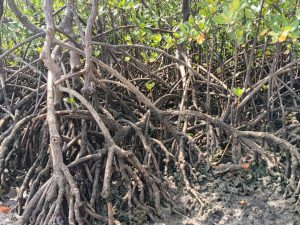
Natural Coastal Protection
One of the most important roles of mangroves is protecting coastlines from erosion and extreme weather.
Their dense root systems act as natural barriers, reducing the force of waves and preventing soil from being washed away. This is especially important in areas vulnerable to storms and rising sea levels.
Without mangroves, many coastal communities would face increased risk of flooding and land loss.
A Nursery for Marine Life
Mangroves are vital breeding grounds for marine species.
Fish, crabs, and other marine life use mangrove roots as safe spaces to grow and develop before moving into open waters. Many of the fish that support local fisheries depend on mangroves during their early stages of life.
Healthy mangroves mean healthy oceans.
And healthy oceans mean sustainable livelihoods for coastal communities.
A Powerful Climate Ally
Mangroves are also incredibly effective at storing carbon.
In fact, they store significantly more carbon per area than most terrestrial forests. This makes them a key natural solution in addressing climate change.
By protecting and restoring mangroves, we’re not just helping local ecosystems — we’re contributing to global climate resilience.
Supporting Local Communities
For many coastal communities in Kenya, mangroves are closely tied to daily life.
They provide resources such as wood, support fishing activities, and help maintain the balance of ecosystems that communities depend on.
But unsustainable use and environmental pressures have led to significant mangrove loss over time.
This is why conservation efforts are so important.
The Importance of Conservation
Protecting mangroves requires a combination of awareness, community involvement, and hands-on action.
Conservation initiatives focus on:
- Replanting mangrove trees
- Educating communities on sustainable use
- Monitoring ecosystem health
- Reducing human impact
These efforts help restore degraded areas and ensure mangroves continue to thrive for future generations.
How You Can Be Part of the Solution
One of the most powerful ways to understand the importance of mangroves is to experience them firsthand.
By participating in conservation programmes, you don’t just learn about these ecosystems — you actively contribute to their restoration.
From planting seedlings to exploring mangrove forests and understanding their role in the environment, every action helps make a difference.
Protecting What Matters
Mangroves may not always get the attention they deserve, but their impact is undeniable.
They protect coastlines.
They support marine life.
They help fight climate change.
And they sustain communities.
Protecting them is not just an environmental responsibility — it’s a shared commitment to the future.
Experience Mangrove Conservation with NWB
At Nature Without Borders, mangrove conservation is at the heart of what we do.
Join us along Kenya’s coast and be part of real restoration efforts that create lasting impact — for nature, for communities, and for yourself.